
Reported
Three quotes, three different projects
When builders' prices are far apart, the usual explanation is not greed or generosity. It is that each one has priced a different job — and only one of them has priced yours.
August 2026 · 8 min read · The Construction Clinic
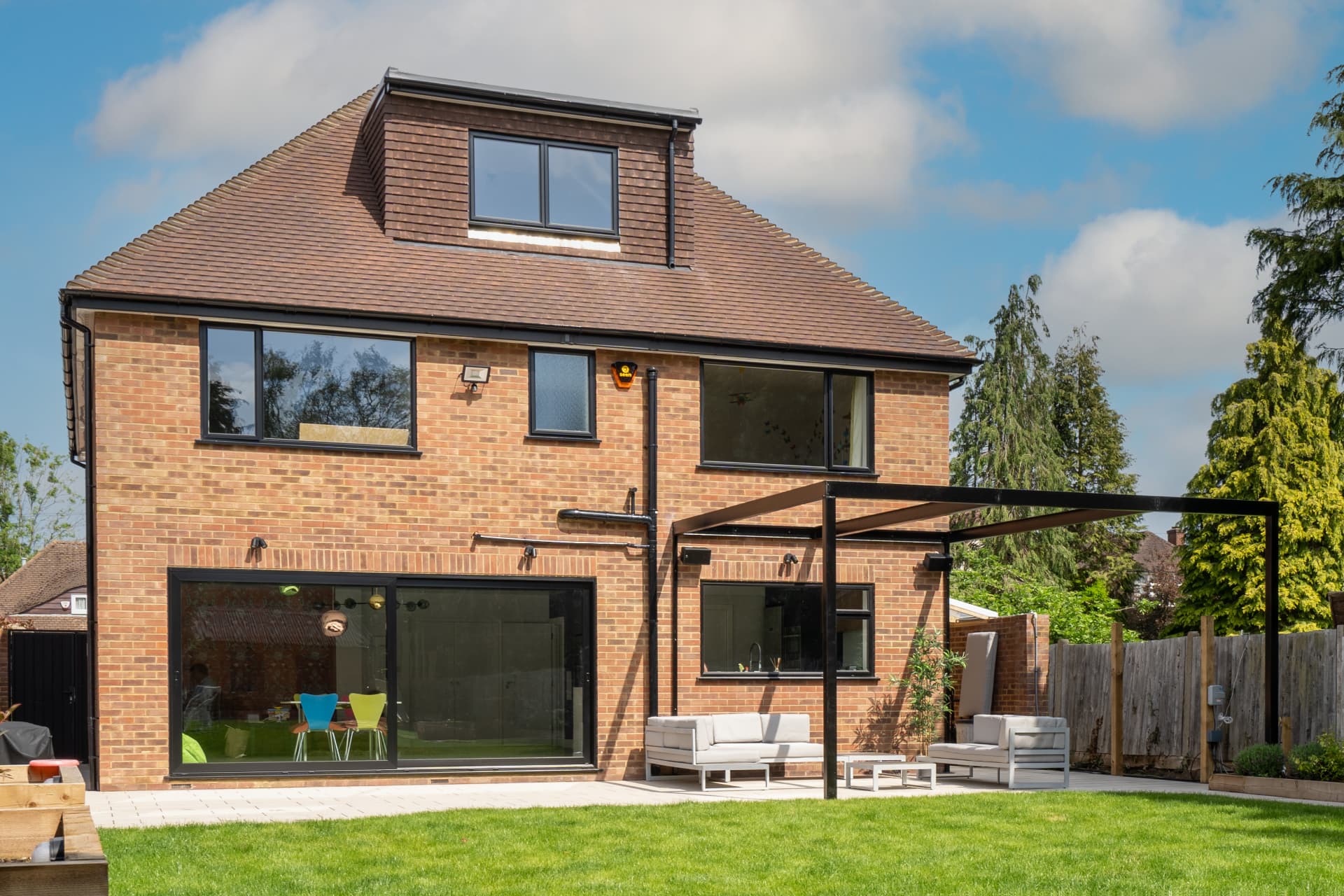
A homeowner sends us three quotes for a single-storey rear extension. They read £96,000, £128,000 and £171,000. The question is always the same: which one is right?
It is the wrong question, and asking it is how people end up spending the most money. The right question is what each price includes — because in almost every set of quotes we read, the three documents describe three materially different projects.
The £96,000 quote excluded the steel, the rooflights and making good. The £171,000 quote included a full kitchen, underfloor heating and a twelve-week programme with a named site manager. They were never comparable. They were only ever comparable in the sense that they were printed on the same size of paper.
“Anything present in one quote and absent from another is not a saving. It is a cost that has not been allocated yet.”
Read scope first, price last
Lay the quotes side by side and mark, line by line, what each one includes. Do it before you look at a single total. The exercise takes an hour and it is the single most valuable hour in the whole procurement process.
What you are looking for is not error. It is difference. A builder who excludes scaffolding has not made a mistake; they have told you, quietly, that scaffolding is your problem. The same is true of skips, welfare, temporary works, drainage connections and making good the garden.
By the time you have marked up all three, you will usually find the real spread between the honest quotes is nothing like the headline spread. On the extension above, the corrected range was £131,000 to £149,000 — a difference of about twelve per cent, which is a normal market spread, not a scandal.
The lines that usually explain the gap
- Structural steel, foundations and unforeseen ground conditions
- Scaffolding, skips, welfare and site protection
- Windows, doors, rooflights and glazing specification
- Kitchens, sanitaryware and finishes — supplied or PC sum
- Making good, decoration and external works
- Preliminaries: management, insurance and programme length
Provisional sums are a promise to argue later
A provisional sum is a placeholder for work that has not been designed. It is not dishonest; sometimes it is unavoidable. But every provisional sum in a quote is a number that will be replaced by a real one, and the replacement is almost never lower.
Count them. If a quote carries four provisional sums totalling £22,000 against a £130,000 job, then roughly a sixth of your contract is undecided, and your fixed price is fixed only in the parts you already understood.
The fix is not to remove them. It is to design the biggest ones out before you sign — usually the structure, the drainage and the glazing.
The cheapest quote is often the most expensive document
There is a pattern in the projects that go badly wrong. The chosen quote was the shortest, the vaguest and the lowest. Its brevity was read as confidence. It was, in fact, an absence of information, and every gap in it was filled later at a price set after the homeowner had already committed.
A long quote with exclusions written plainly is a good sign. It means the builder has read the drawings and is telling you where the risk sits. That is a person you can have a difficult conversation with in month three.
The last word
Before you choose, write one email to all three builders asking the same five questions about the same five gaps, and give them the same deadline.
The quality of the replies will tell you more about the next six months than the totals ever will.